Emotional Intelligence in Relationships | Trusted Commitment
Learn the five core elements of EQ, spot healthy communication vs. red flags, and get a simple 3-step plan to build stronger emotional intelligence.

The Foundation of
Connection
Emotional Intelligence (EQ) is the ability to receive, understand, and
manage emotions effectively within yourself and your relationships. Unlike IQ, which remains relatively stable, EQ can be developed and refined over time.
In relationships, high EQ manifest as the ability to navigate conflict with
grace, communicate needs without blame, and maintain deep empathy for your partner’s experience.

Evidence-Based Approach
Derived from Golman’s Core
EQ framework
THE EMOTIONAL AWARENESS LOOP
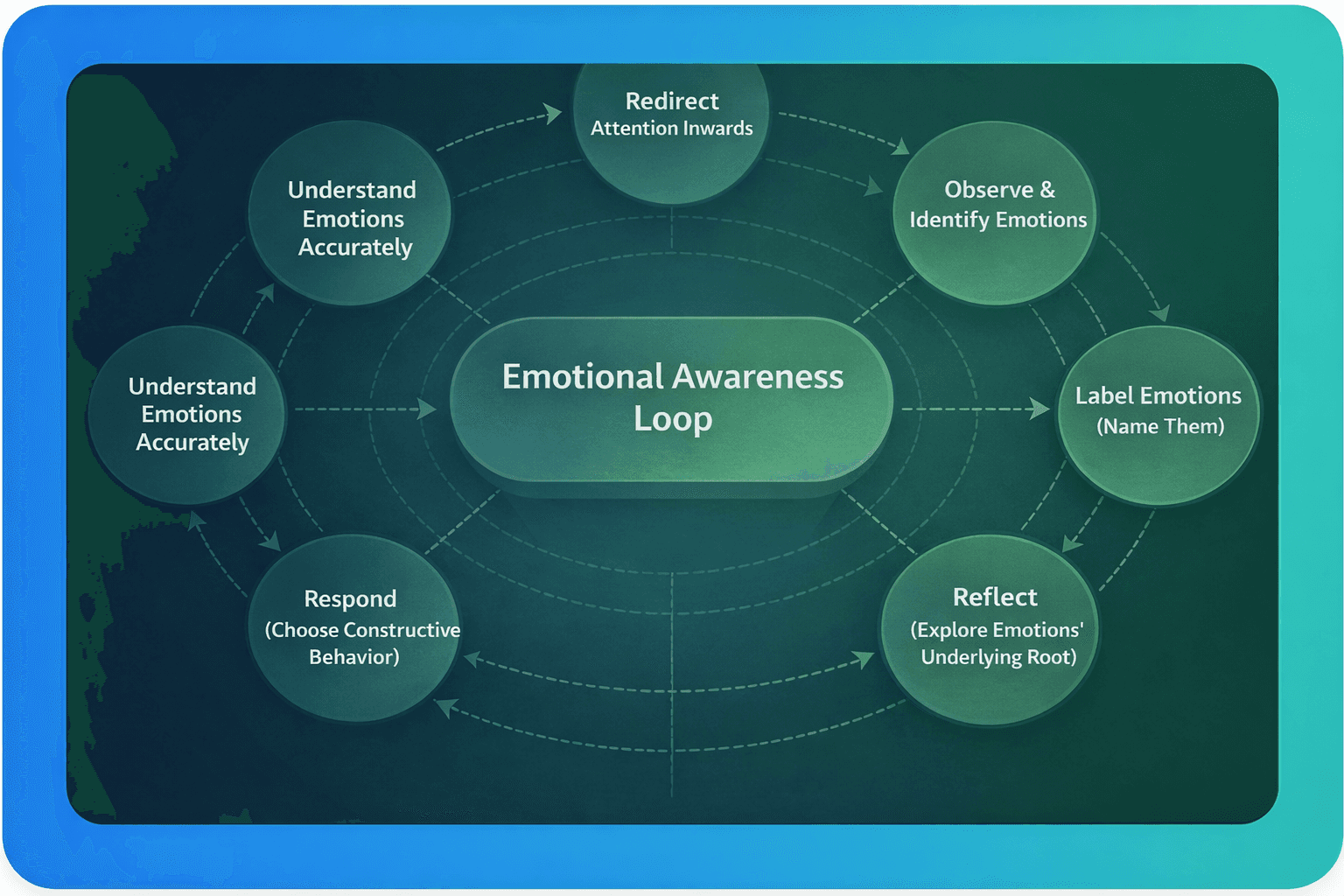
INTERNAL
Self-Regulation
EXTERNAL
Social Skills
Why it Matters
High emotional intelligence is the single biggest predictor of long-term relationship
satisfaction.

Better Communication
Expressing feelings clearly and
listening actively to your partners
perspective.

Greater Empathy
Truly understanding and sharing the
feelings of another person deeply.

Conflict Resolution
Navigating disagreements without
escalation or emotional shutdown.

Stronger Bonds
Building a foundation of trust that
Survives life’s inevitable stressors.
The Five Core Elements
of EQ

Self-Awareness
Recognizing your own emotions and how
they affect your thoughts and behavior.

Self-Regulation
Managing disruptive emotions and
impulses, especially under pressure.

Motivation
The drive to improve and achieve for
reasons beyond statues or money.

Empathy
Understanding the emotional makeup of
other people and treating them
accordingly.

Social Skills
Proficiency in managing relationship and
building supportive networks.

Signs of High EQ

Active Listening
Hearing what’s said and noticing what’s unsaid.

Respecting Boundaries
Understanding limits without feeling rejected

Emotional Responsibilities
Owning your reactions instead of blaming others.

Signs of Low EQ

Criticism Difficulty
Reacting with extreme defensiveness or anger.

Emotional Outburst
Frequent loss of control over intense feelings.

Blaming others
Struggling to admit mistakes or account
for actions.
EQ vs. Relationship
Red Flags
Spotting the difference between dynamics
and patterns of concern.
Healthy(High EQ)
Calm communication during stress.
Validating feelings you don’t agree with.
Taking a ‘Time Out’ to cool down.
Seeking mutual solutions.
Warning(Red Flag)
Defensiveness and stonewalling
Gaslighting or dismissal of feelings.
Sudden disappearance or ‘ghosting.’
Needing to ‘win’ every argument.
Deep Dive Resources



Expert Insights
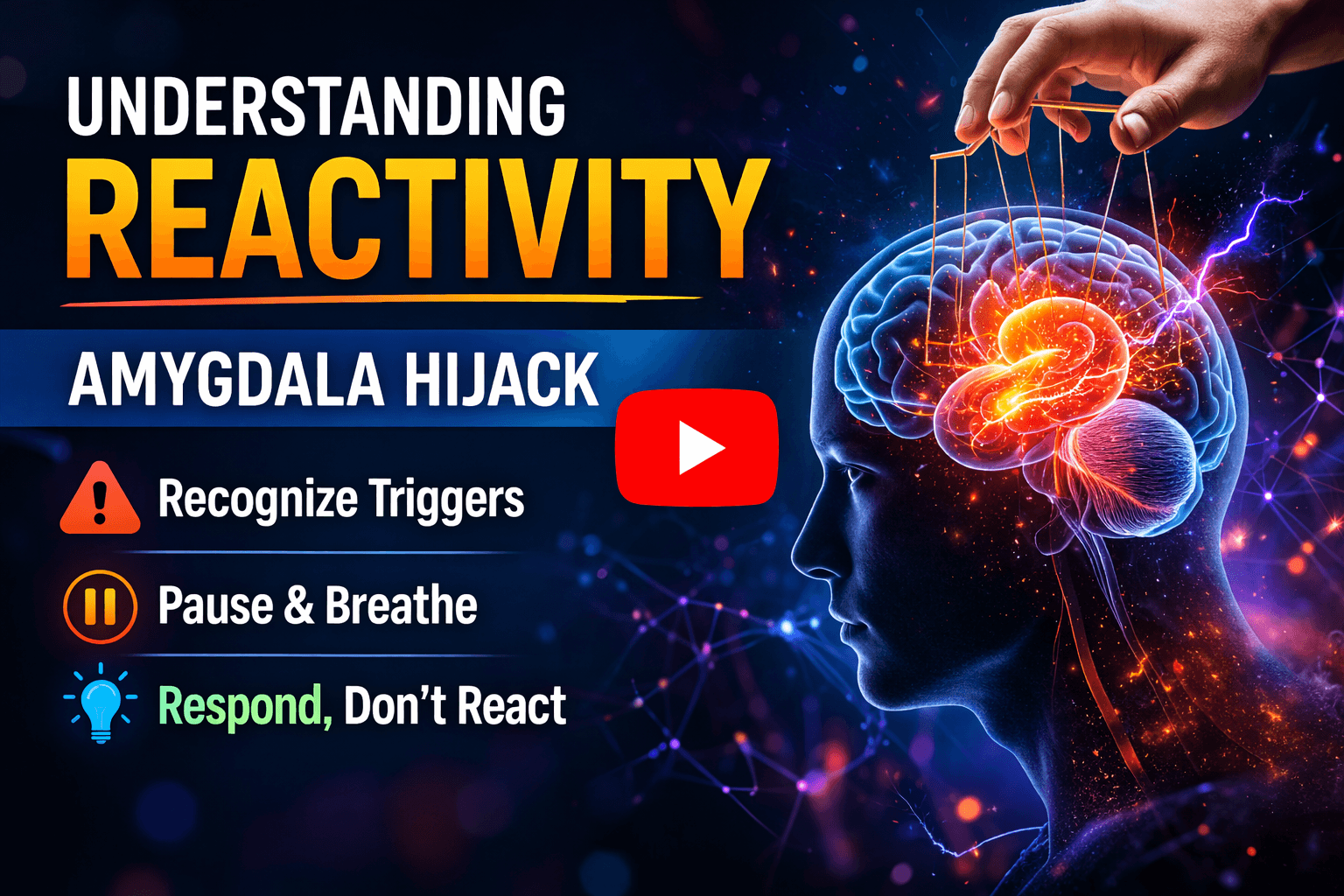
Understanding Reactivity
General Nunoo explains amygdala hijack
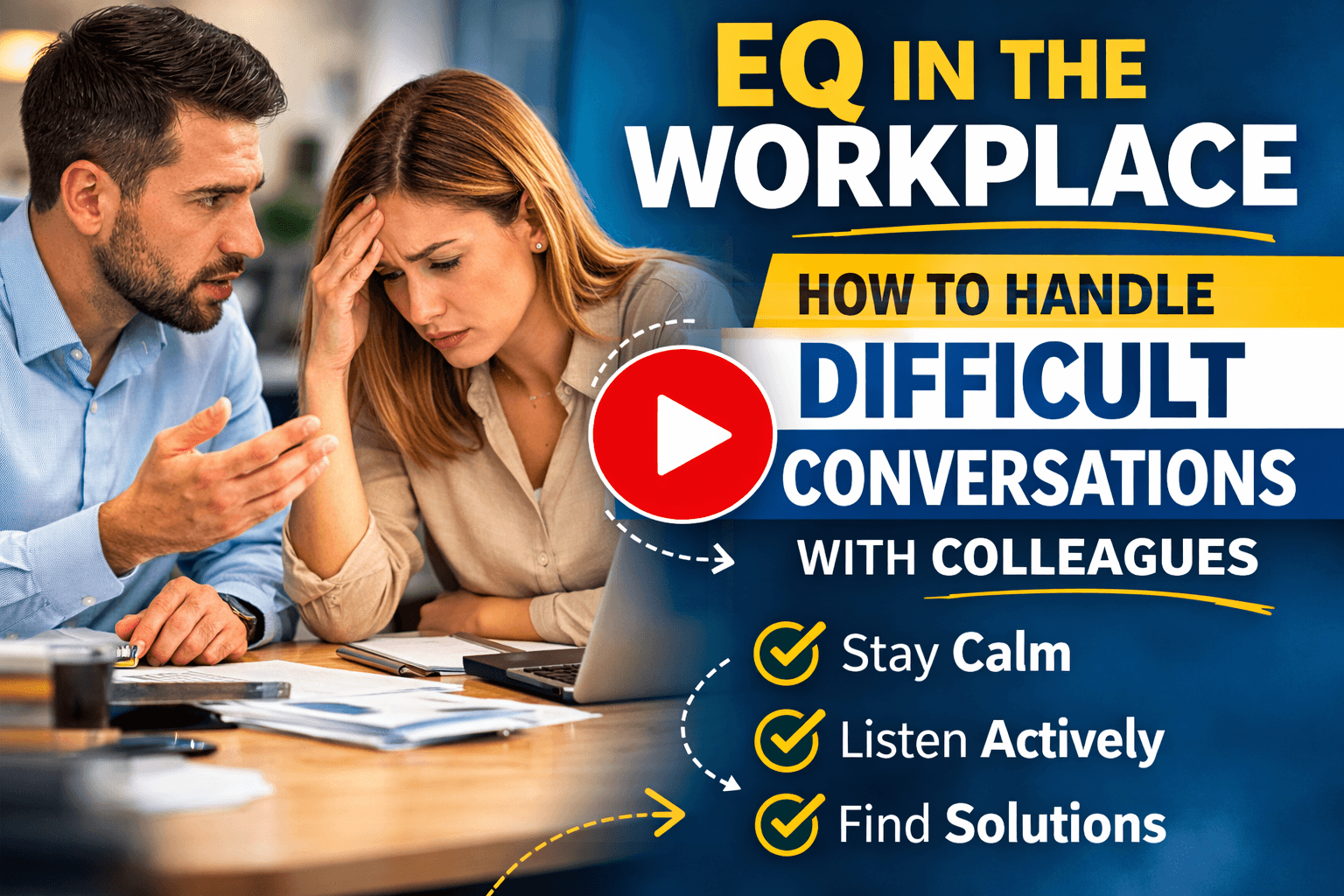
EQ in the Workplace
How to handle difficult conversations with colleagues
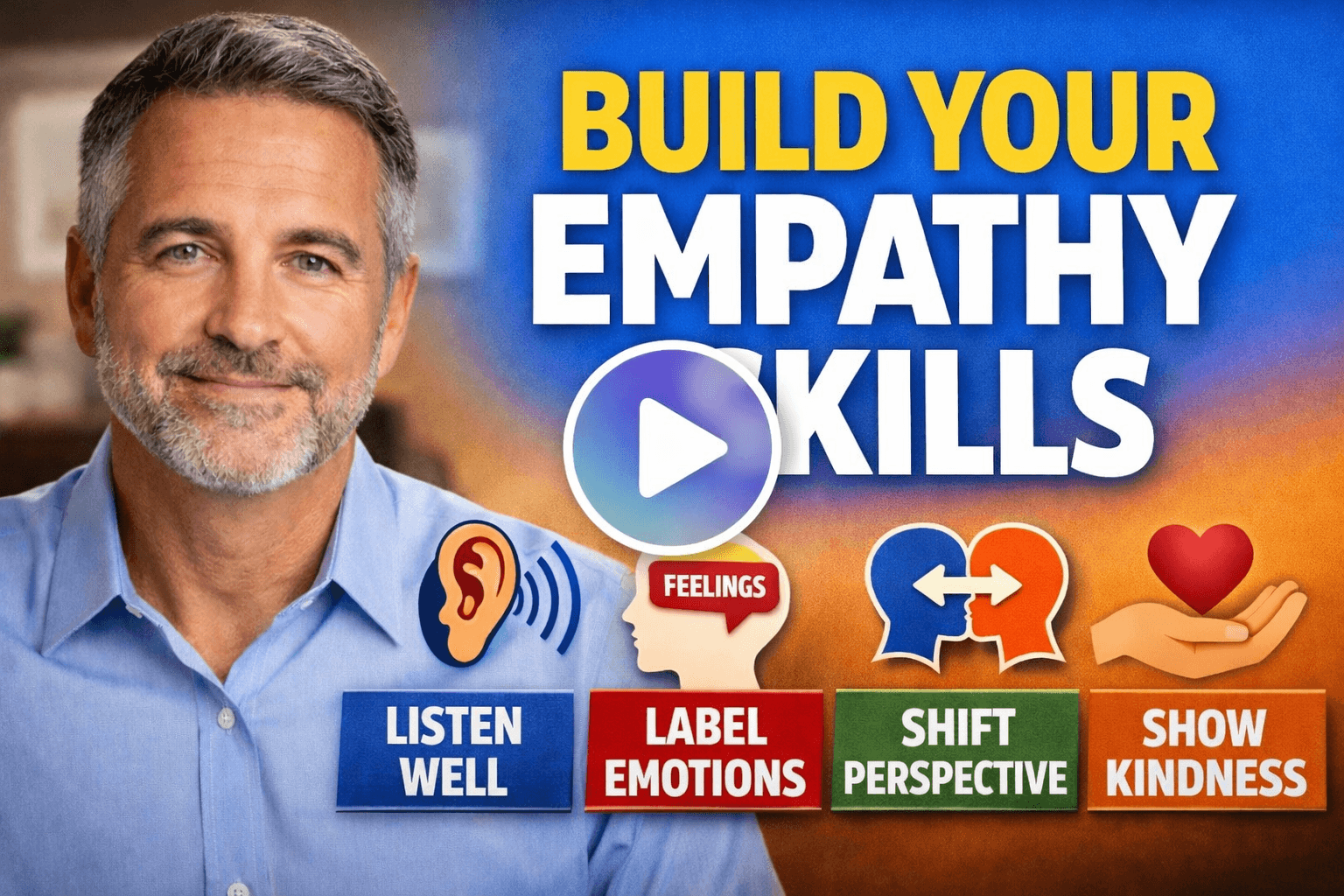
Empathy as a Practice
Daily exercises for strengthening your empathy
muscle
3 Steps to Improve Your EQ
0
1
Self - Reflection
Keep a daily journal of your emotional
reactions. Why did you feel that way?
What triggered it?
0
2
Observe Triggers
Identify recurring situations that make you
defensive. Pause for 5 seconds before
responding.
0
3
Empathetic Listening
In your next conversation, focus 100% on
understanding their point before
formulating your own.
Frequently Asked
Questions
Can EQ be learned, or is it innate?
Unlike IQ, which is largely fixed, EQ is a set of skills that can be developed through awareness, practice and intentional
behavior change over time.
How long does it take to see improvement
in relationship?
Many people report positive changes in just a few weeks of consistent active listening and self -regulation practice, Deep transformation typically takes months of work.
What if my partner has low EQ?
Developing your own EQ can often shift the relationship dynamics, but significant growth usually requires both partners to be willing to do the internal work.
Stop Guessing.
Start Seeing
Clearly
Join 50,000+ readers who receive our weekly insights into
relationship psychology and
healthy boundaries.
Follow Trusted Commitment




AFFILIATE DISCLOSURE:
This is a professional dating
resource website that reviews
and features products and
services. Some links on this
page are affiliate links, which
means we may earn a
commission if you make a
purchase through them.
This commission comes at no
extra cost to you. We only
recommend products and
services that we genuinely
believe will add value to your
dating life.

2026
TrustedCommitment.com. All Right Reserved.
Trusted commitment
Blog